Beyond the Forecourt: Why Today's UK Car Buyer Starts the Journey Online
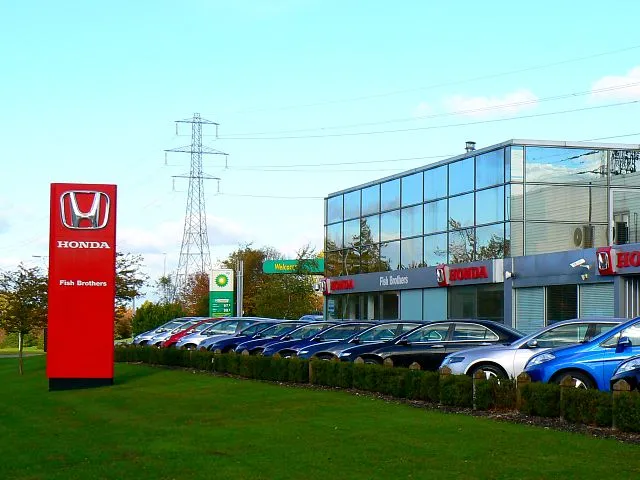
Photo: Brian Robert Marshall, CC BY-SA 2.0, via Wikimedia Commons
The Journey Now Begins on a Sofa
Not so long ago, buying a car in Britain meant a Saturday morning pilgrimage to the local retail park, a strong coffee, and several hours of negotiation across a glossy forecourt. Today, the majority of that journey happens elsewhere — usually on a phone, often in the evening, and frequently weeks before anyone sets foot in a showroom.
Industry research suggests that upwards of 90% of UK car buyers now conduct substantive research online before making contact with a dealer. Post-pandemic, that research has hardened into action: reserving vehicles with refundable deposits, arranging finance pre-approval, and uploading part-exchange details without ever speaking to a salesperson.
For dealership groups, the question is no longer whether to offer digital tools, but how to make them genuinely useful rather than a bolt-on afterthought.
What Buyers Actually Want
The shift in expectations is easy to misread. It is not that customers have abandoned the showroom — it is that they arrive having already done much of the work. Surveys across the retail motor sector consistently point to a hybrid preference: buyers value the convenience of browsing and reserving online, but the majority still want a physical inspection and a test drive before committing to what is, for most households, one of the largest purchases they will make.
Three trends stand out in the data:
- Reservation before visit. A growing share of buyers place a small holding deposit online to secure a vehicle before travelling, particularly for in-demand used stock and electric models.
- Transparent pricing. Buyers expect the online price to be the forecourt price. Discrepancies between a website figure and a showroom quote are now the fastest route to a lost sale.
- Flexible handover. Contactless collection, home delivery and extended test drives have moved from novelty to expectation for a meaningful minority of customers.
Blending Digital Convenience with Human Expertise
At CarCo Group, the response has been to treat digital and physical not as competing channels but as stages of a single journey. A customer might shortlist three vehicles on a Tuesday evening, book a Saturday viewing through the website, and arrive to find those cars prepared, priced and ready — with the online reservation honoured to the penny.
The showroom itself has changed character too. Rather than rows of stock and a desk-bound negotiation, modern retail spaces are increasingly consultation-led: space to explore finance options on screen, understand warranty cover, and take an unhurried test drive along sensible local routes. Staff spend less time selling and more time confirming decisions the customer has largely already made.
The Trust Factor
If the pandemic taught the motor trade anything, it was that transactions can be completed remotely — but trust is still built face to face. Used car buyers in particular remain wary of purchasing sight unseen, and independent consumer research repeatedly shows that the opportunity to inspect a vehicle in person remains the single biggest factor in converting an online enquiry.
That is why the hybrid model endures. Digital tools widen the funnel; the showroom closes it. Groups that understand this — investing in both their websites and their people — are the ones reporting stronger customer satisfaction scores and higher repeat business.
What Comes Next
The next few years will likely bring deeper integration still: real-time stock visibility across group networks, video walkarounds as standard, and finance decisions returned in minutes rather than days. Electric vehicles will accelerate this, as buyers lean heavily on expert guidance to navigate charging, range and battery warranty questions.
The forecourt is not dead — far from it. But it now plays a supporting role in a drama that begins at home. The dealers who thrive will be those who make every scene of that journey feel seamless.